Reader supported. We may earn a commission from purchases.

Logitech G Pro X Superlight 2 Dex Review: The Ergonomic Superlight Finally Arrives

9 min read 4.7 / 5
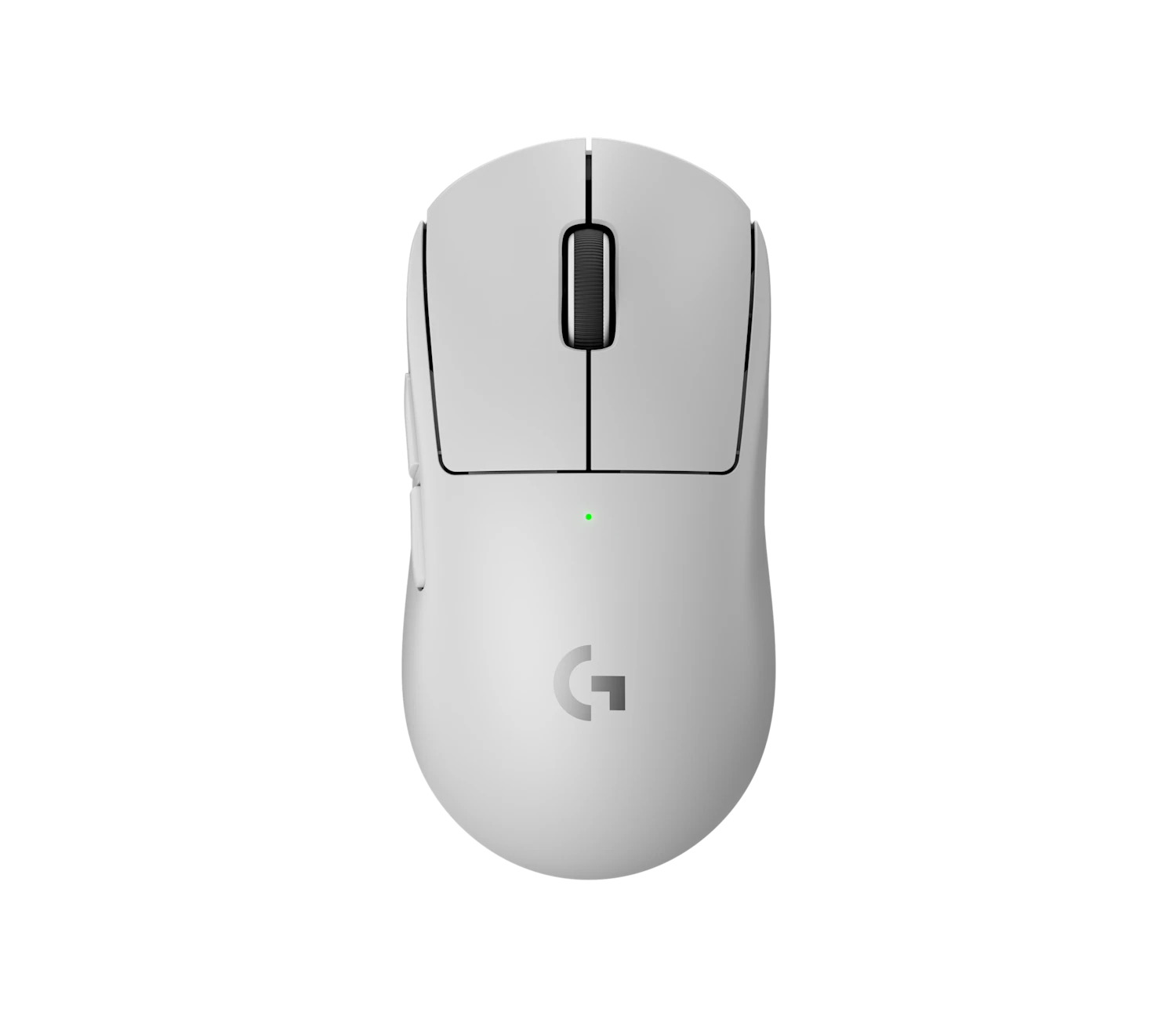
Logitech G Pro X Superlight 2 Dex wireless gaming mouse photographed on a dark desk

Quick Verdict

Best feature

Right hand ergonomic shape paired with the proven Superlight 2 internals

Who it's for

Palm and claw grippers who want the most popular pro mouse platform with better hand support

Bottom line

If the original Superlight 2 felt too small, the Dex is the upgrade you have been waiting for.

Current price

$159

Check Price on Amazon

How It Compares

The Logitech G Pro X Superlight 2 Dex measured against its two closest market rivals on the specs that matter most.

SpecificationSuperlight 2 DexRazer Viper V3 ProZowie EC2-CW
SensorHERO 2Focus Pro 35K Gen-2PAW3395
DPI range100 to 44000100 to 35000400 to 3200
Weight60 g54 g74 g
Polling rate8000 Hz (Lightspeed)8000 Hz1000 Hz
Battery life95 h (1K) / 35 h (8K)95 h (1K)70 h
SwitchesLightforce hybrid opticalOptical Gen-3Huano mechanical
Price$159$159$149

Deep Dive Analysis

Build Quality and Ergonomics

The Dex keeps the matte coating and seamless one piece shell of the standard Superlight 2, but sculpts a gentle right hand hump that fills the palm without forcing a specific grip. At 60 g it is heavier than the Razer Viper V3 Pro by 6 g, but the weight distribution is centred under the sensor so flicks still feel snappy. The shell flex test that killed earlier Logitech mice is gone, and the side buttons have a crisper, less spongy click than the original. The PTFE skates ship pre installed and glide cleanly on cloth and hard mats.

Performance and Latency

HERO 2 is Logitech's first sensor to break the 40000 DPI ceiling, but the interesting number is the 888 IPS tracking speed, which means you can flick across a triple monitor setup without spinout. Lightspeed wireless at 8000 Hz measures within 0.3 ms of a wired connection in independent testing, and the new Lightforce optical mechanical hybrid switches eliminate the double click failures that plagued early Superlight units. Click latency lands at about 1 ms, which is class leading. Battery life is 95 hours at 1K and 35 hours at 8K, charging over USB-C in about an hour.

Software and Customization

Logitech G HUB has matured into a solid daily driver. Profiles switch per application, you can store five DPI stages on the mouse itself, and the new Wireless Control Centre lets you flip between 1K and 8K polling on the fly without unplugging the dongle. The Powerplay wireless charging mat is supported, which is still the only truly cable free way to game without battery anxiety. There is no onboard memory editor, so initial setup needs the desktop app.

Real World Use

Pros who switched to the Dex during the late 2025 tournament cycle, including several Valorant and CS2 starters, reported that the ergo shape reduced hand fatigue in five hour sessions without changing their aim profile. If you came from a Zowie EC or a Razer DeathAdder, the Dex is the closest Logitech has ever come to that ergo feel without sacrificing the Superlight DNA. Symmetric mouse purists should stick with the standard Superlight 2.

What we love

  • Right hand ergo shape that finally fits palm and claw grippers without the original Superlight's pinky hang
  • HERO 2 sensor with 888 IPS tracking and Lightforce hybrid switches that fix the double click problem
  • 8000 Hz Lightspeed wireless measured within 0.3 ms of wired connections in independent tests

Real drawbacks

  • At 60 g it is 6 g heavier than the Razer Viper V3 Pro, which sub 55 g chasers will notice on long flicks
  • There is no onboard editor, so first time setup and profile changes require the G HUB desktop app

Top Questions

Should I get the Superlight 2 Dex or the standard Superlight 2?

If you palm or claw grip and have medium to large hands, the Dex is the better fit. The hump fills the centre of your palm and the slightly flared sides give your thumb a resting point. If you fingertip grip or have small hands, the symmetric Superlight 2 remains the safer pick.

Is 8000 Hz polling worth the battery hit?

On a high refresh monitor with a strong CPU, 8K polling delivers about 0.5 ms of additional cursor smoothness. The trade off is that battery life drops from 95 to 35 hours. Most pros run 1K daily and switch to 8K for tournament play, which is a sensible default.

How does the Dex compare to the Razer Viper V3 Pro?

The Viper is 6 g lighter and fully symmetric, which suits ambidextrous flick heavy players. The Dex offers more comfortable palm support for long ranked sessions and uses the more refined HERO 2 sensor. Sensors are functionally identical in real gameplay, so the deciding factor is grip style.

Ready to upgrade to the Logitech G Pro X Superlight 2 Dex?

If the original Superlight 2 felt too small, the Dex is the upgrade you have been waiting for.

As an Amazon Associate we earn from qualifying purchases. Prices and availability are accurate at the time of writing and subject to change. Editorial independence: no manufacturer reviewed this article before publication.