Build Quality and Ergonomics
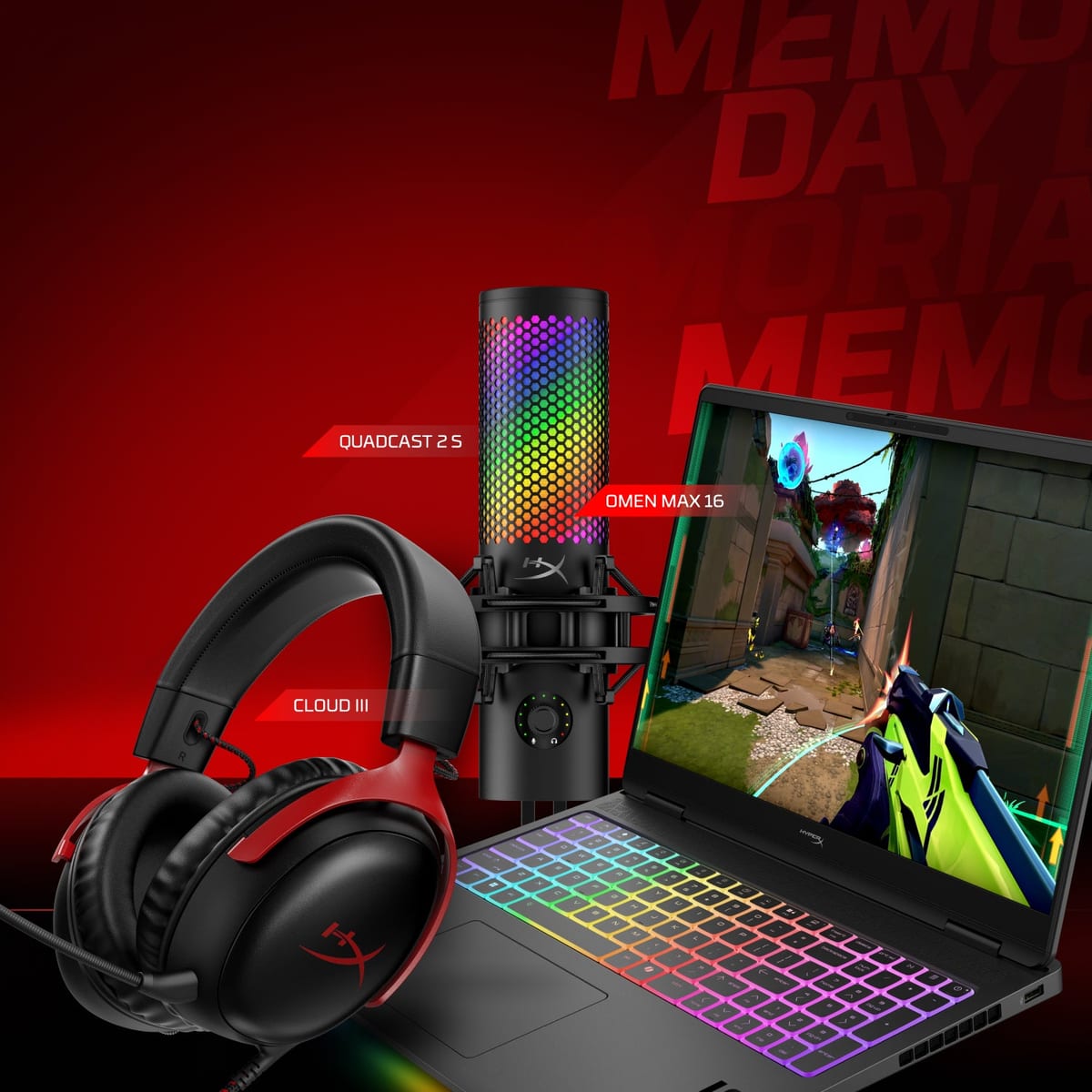
HyperX leans into the formula that made the original Cloud the most recommended gaming headset of the 2010s. The aluminium frame flexes without creaking, the headband uses thick memory foam wrapped in faux leather, and the earcups are angled to match the natural shape of the human ear. At 330 grams it is on the lighter side of the over ear class, and the clamp force is moderate enough for glasses wearers. The detachable microphone has a useful LED ring that glows red when muted.
Performance and Latency
The 53 mm angled dynamic drivers carry over from the wired Cloud III with a slightly warmer tuning, which makes for relaxed long session listening. DTS Headphone:X 2.0 spatial audio is enabled in software and is competent for FPS, though it does not match the granular accuracy of Sonar 360. Wireless latency on the 2.4 GHz dongle measures around 25 ms, which is well below the audio sync threshold for gaming. There is no Bluetooth and no active noise cancellation, which is the trade off for the headline 120 hour battery.
Software and Customization
HyperX NGENUITY handles EQ, sidetone, DTS toggles, and microphone monitoring. The software is light, fast, and does not require an account, which sets it apart from the Razer and SteelSeries equivalents. Firmware updates have been steady but infrequent, and the device works fully as a plug and play USB headset if you do not want to install anything.
Real World Use
After two months of daily use across Apex Legends, Counter Strike 2, and Discord work calls, the Cloud III Wireless impressed mostly by being invisible. There is no charging anxiety, the comfort holds up across six hour sessions without hot spots, and the microphone is good enough that team mates have not asked about audio quality. It is not a flagship, but at $169 it is the headset most people should buy if they are not willing to spend $349 on the SteelSeries Nova Pro Wireless.